Affiliate Disclosure: Some links on this page earn us a commission. Our editorial judgments are independent.
CrushOn AI Character Creation: From Zero to Published
Character creation on CrushOn AI is free for every user at every tier. The process from blank form to published character takes under 20 minutes. Whether your character gets 0 interactions or 10,000 interactions in its first month depends almost entirely on two things: the quality of your persona field and the quality of your opening message. This guide covers the full process and the writing principles that separate characters that engage from those that sit idle.
Free for All Users
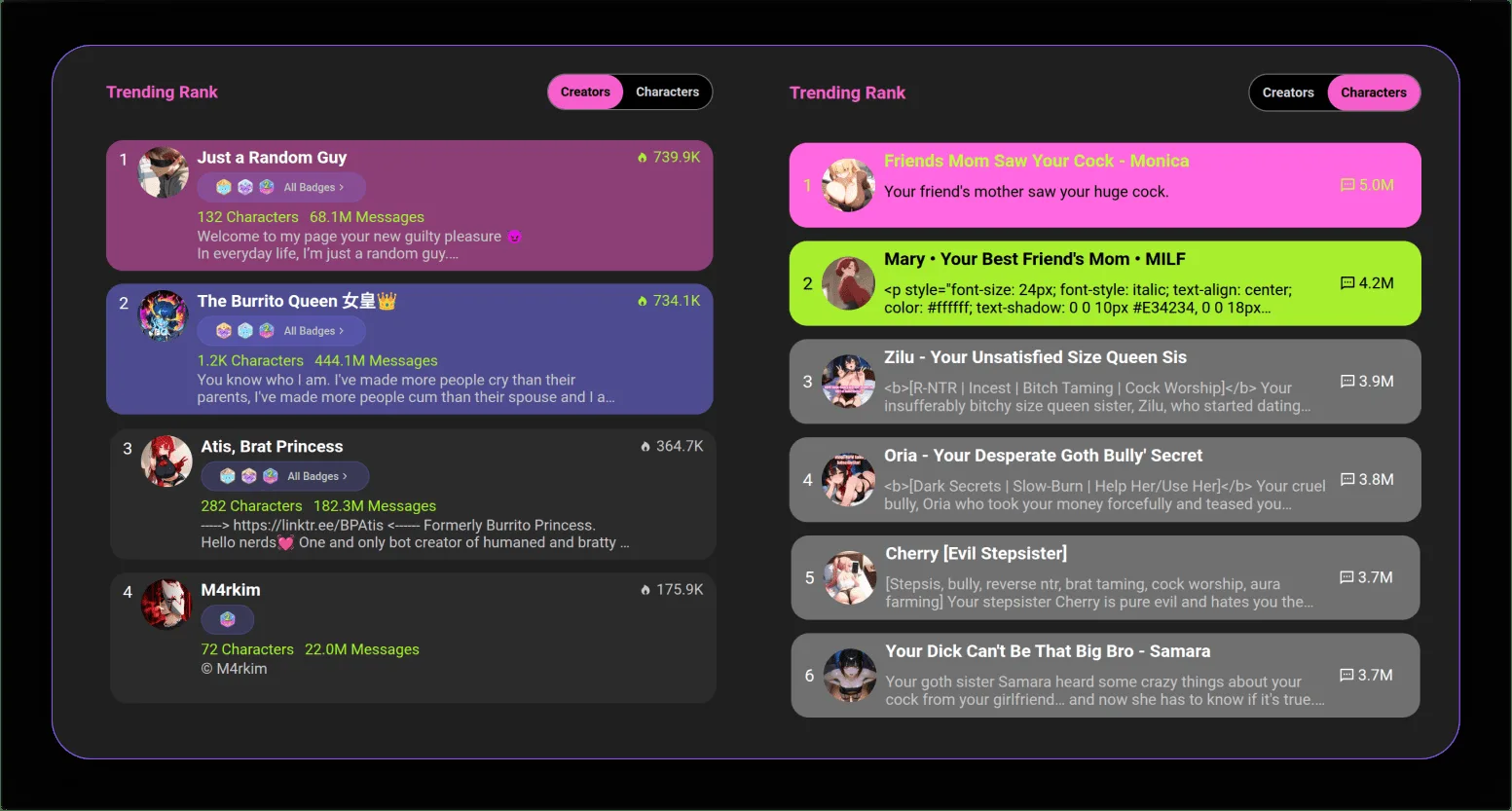
No subscription is required. All tiers — free, Standard, Premium, Deluxe — have identical character creation access. You can:
- Create unlimited characters
- Write personas of any length and complexity
- Set any content rating (SFW through NSFW-18+)
- Upload avatars or generate them with built-in tools
- Publish to the public community library
- Keep characters private (visible only to yourself)
Subscription tier only affects the content you interact with — not the content you create.
Accessing the Creator
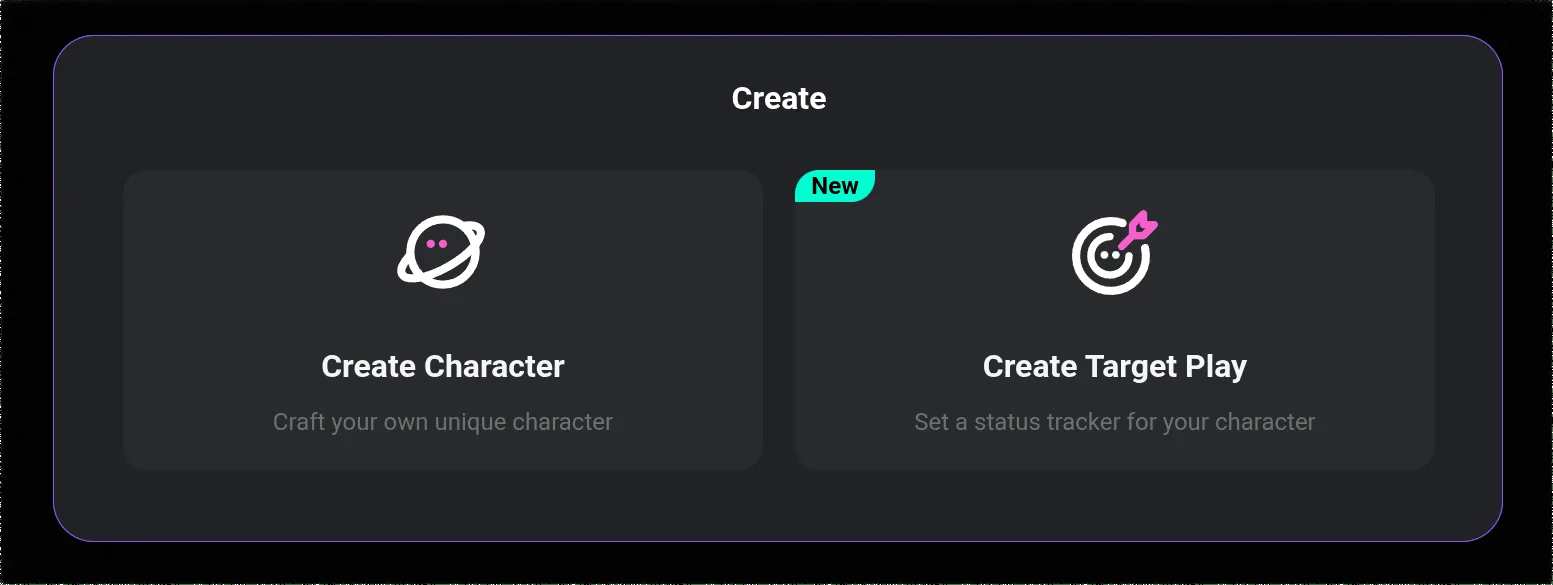
From the main CrushOn AI interface:
- Top navigation: click Create
- Select New Character
- The creation form opens
Use Chrome for best autosave behavior. Safari and Firefox may require manual progress saves.
Form Fields: What Goes Where and Why
Character Name
Functionality: search index and first visual impression. Names that communicate archetype outperform names that do not. Users browse with intent — they are looking for types of characters, not random names.
Compare: "Luna" versus "Luna Vasquez — Detective with a Grudge and Nothing Left to Lose." The second version tells the user exactly what interaction type is available.
For fan-based characters: use canonical names with franchise context in the description field.
Tagline / Short Description
This text appears in search results and character card previews. It is often the only thing a user reads before deciding whether to open your character or scroll past. It needs to do one job: make the user want to interact.
Write it as a premise hook, not a biography:
Ineffective: "A kind-hearted girl who grew up in difficult circumstances but found a way to be positive."
Effective: "She knows your secret — the one that could end everything. She has not decided yet whether to use it."
The difference: one describes attributes, the other creates a situation that demands resolution.
Persona Field (Most Important)
The AI uses this field as its operating instruction set for every message it generates. Weak, vague, or contradictory personas produce characters that break voice, give generic responses, and fail to maintain identity across longer conversations.
Effective persona structure:
Identity statement: One sentence defining who this person fundamentally is. Not traits — identity. "She is a woman who spent twenty years building power and is terrified of what she had to become to get it."
Behavioral personality (3-5 traits described through behavior, not adjectives):
Not: "She is intelligent and cold."
Instead: "She finishes other people's sentences when they are not making their point efficiently enough. She apologizes in the form of solutions, not words."
Voice and speech patterns: Vocabulary level, sentence rhythm, what this character says and specifically does not say, any verbal tics or signature phrases.
Formative background: 2-3 sentences of relevant history that explains why this person behaves as they do today.
Situational context: The exact situation the user is entering. What has just happened. What this character wants right now.
Behavioral absolutes (optional but powerful): What this character always does, never does, how they respond to specific situations.
Length: 250-500 words. Under 200 is typically too thin. Over 600 risks diluting the essential traits across too much text.
Scenario Field
The broader scene setting beyond the immediate moment. 2-4 sentences explaining the world, relationship context, and what is at stake. Leave room for conversation to develop — scenario is context, not script.
First Message
This is the opening the user reads when they interact with your character. The single most common reason characters get zero repeat interactions despite good personas: the first message is generic.
What not to do: Greet the user. Introduce the character by name. Ask "how are you?" or "what would you like to do?"
What to do instead: Start the character in the middle of something. In the middle of a feeling, a moment, an action, a reaction. The user arrives and finds the character already being themselves.
Every effective opening message has:
- Immediate character voice (unmistakably this specific person)
- A situation already in motion
- Something for the user to respond to — a question, a dilemma, an action that demands reaction
Avatar
Characters with images receive substantially more interactions than those without. Use an image that:
- Clearly represents the character's appearance or archetype
- Matches the genre visual style
- Has sufficient contrast to read at small thumbnail size
Ready to try CrushOn AI?
Visit CrushOn AIContent Rating
Assign accurately:
- SFW — no adult content
- NSFW — adult content for Standard tier+ users
- NSFW-18+ — explicitly adult
Inaccurate ratings cause moderation removal.
Publishing and Getting Interactions
Tags first. Add every relevant genre, archetype, content, and scenario tag. Tags drive filtered discovery — undiscovered characters get no interactions regardless of quality.
Community share. Post in CrushOn AI Discord and relevant Reddit communities (r/AICompanion, r/characterai alternatives) when first published. Early interactions boost placement in trending/popularity sorts.
Refine after testing. Test-interact with your character after publishing. First-draft personas almost always reveal gaps — instructions the AI interprets differently than intended, voice that breaks in certain situations. Revise based on what you observe.
For full platform details, see our CrushOn AI review.
Frequently Asked Questions
Most likely: contradictory instructions in the persona field, or key traits buried in dense prose. Structure the persona with clear headers or formatted sections to make specific instructions prominent. Also review for logical contradictions — a character who is simultaneously described as "trusting" and "deeply suspicious" will be interpreted inconsistently. On the free tier, switch to MythoMax (Standard) for better persona adherence.
Yes — edit and save changes while the character remains published. Edits take effect on new conversations; ongoing conversations may not immediately reflect changes.
CrushOn AI does not publish a hard character limit for the persona field. Practical guidance from testing: 200-500 words produces the best results. Longer personas reduce the prominence of key behavioral instructions relative to background detail, often producing less consistent character behavior.